
Alberta Security Guard Licensing Overview

Alberta’s security guard licence requires completion of an approved training program and passing a written exam. Study guides include PDF collections of sample questions and answers, covering laws, ethics, patrol duties, and emergency response. These resources help candidates prepare effectively!!!!
Licensing Requirements
To obtain an Alberta security guard licence, applicants must meet several criteria. First, they must be at least 18 years old, hold valid Canadian citizenship or permanent residency, and possess a clean criminal record with no convictions for violent or sexual offences. Second, completion of an approved 20‑hour security guard training course is mandatory; the curriculum covers Alberta’s Private Security Act, emergency response, crowd control, and ethical conduct. Third, candidates must pass the provincial written exam, which tests knowledge of legal responsibilities and safety protocols. The exam is administered in a computer‑based format, typically consisting of 50 multiple‑choice questions, and a passing score of 70 % is required. Fourth, applicants must submit a completed licence application form, pay the applicable fee, and provide proof of training completion and a recent police clearance. Fifth, a biometric screening, including fingerprinting, is required to verify identity and prevent fraud. Sixth, a health assessment confirming physical fitness and absence of communicable diseases is necessary, as guards often work in high‑risk environments. Finally, the licence is valid for three years, after which renewal requires proof of ongoing professional development and a renewal fee. These steps ensure that all security personnel are competent, legally compliant, and prepared to protect people and property in Alberta’s public and private settings.
Renewal procedures involve submitting a renewal application, paying the fee, and demonstrating 20 hours of education. Guards must comply with privacy legislation, ensuring personal data is handled securely. Failure to meet obligations can lead to licence suspensionor revocation
Exam Structure and Content
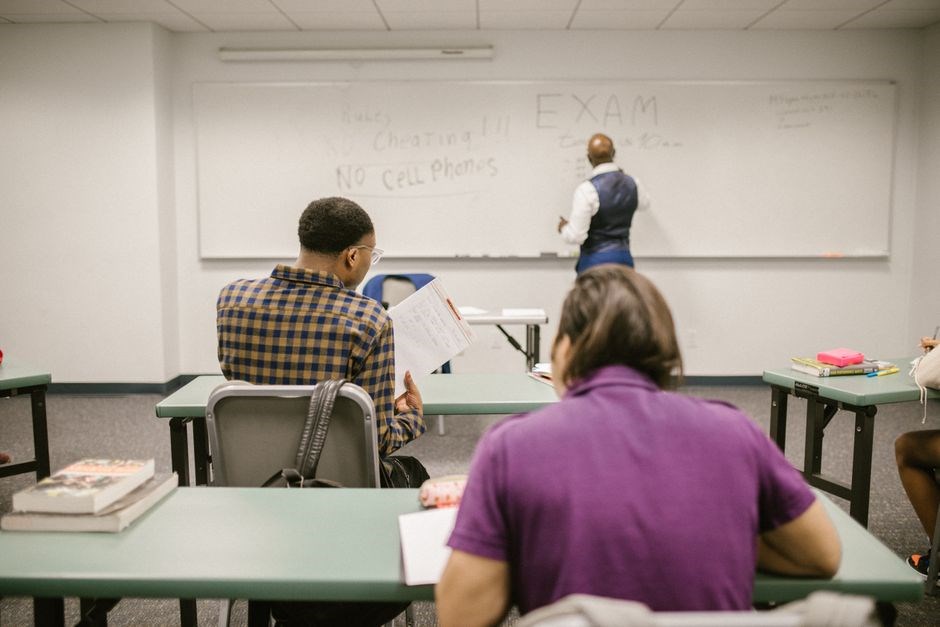
The Alberta security guard exam is a 50‑question multiple‑choice test covering the Private Security Act, emergency procedures, crowd control, and ethical duties. Candidates have 60 minutes, must score 70 % to pass, and can review answers after completion. Results in 30 days!
Question Types and Topics
Alberta security guard exam questions are primarily multiple‑choice, with some true/false and scenario‑based items. Topics span the Private Security Act, licensing obligations, duty of care, and emergency response protocols. Questions test knowledge of legal authority, use‑of‑force limits, crowd‑control tactics, and reporting procedures. Candidates must also answer situational questions that assess judgment, de‑escalation skills, and ethical decision‑making. Sample PDFs contain practice questions that mirror the exam’s format, offering explanations for each answer to reinforce learning. Reviewing these PDFs helps examinees identify common pitfalls, such as misinterpreting the scope of a guard’s authority or overlooking mandatory reporting requirements. The exam’s structure encourages a balanced understanding of both regulatory detail and practical application, ensuring that licensed guards can protect persons, property, and information effectively while adhering to provincial standards.
Exam preparation also benefits from reviewing official practice PDFs, which include detailed answer explanations and scenario analyses. Candidates should focus on legal definitions, duty of care, and emergency response protocols. Practicing time‑bound quizzes helps build speed and confidence. Additionally, studying real‑world case studies reinforces practical application of security principles. Integrating these resources builds a skill set aligned with licensing standards, boosting readiness for field!!?

Official PDF Resources

Alberta’s licensing authority offers free PDF collections of practice exams and answer keys. These documents cover legal statutes, duty of care, emergency response, and de‑escalation tactics. Downloading official PDFs ensures accurate, up‑to‑date study material for exam success ready!?
Official Practice Exam PDFs
Alberta’s licensing body supplies a set of downloadable PDF documents that replicate the actual exam format. Each PDF contains 80 multiple‑choice questions, complete answer keys, and detailed explanations. The questions cover the Alberta Security Guard Act, the Code of Conduct, emergency response procedures, and de‑escalation techniques. Users can print or view the PDFs on any device, and many training providers incorporate them into classroom modules. The PDFs are updated annually to reflect legislative changes, ensuring that candidates study the most current material. To access them, visit the official Alberta government website, navigate to the “Security Guard” section, and click the “Practice Exam PDFs” link. The files are free, no registration required, and can be downloaded in high resolution for offline study.
The PDFs are organized by topic, with each section including a brief summary, key points, and sample questions. Candidates can use the answer keys to verify their responses and read explanations that clarify why certain options are correct or incorrect. Many users report that practicing with these PDFs improves recall of statutory requirements and enhances confidence during the timed exam. The documents are available in both English and French, supporting bilingual learners. Additionally, the licensing authority occasionally releases a “Practice Exam Update” PDF that reflects recent amendments to the Security Guard Act, ensuring that study material remains current.

Practice daily.

Third-Party Study Materials
Third‑party vendors offer flashcards, mobile apps, and full‑length practice exams in PDF format. These resources often include updated Alberta statutes, scenario‑based questions, and detailed answer explanations. Many students find them useful for targeted review!!!
Study Strategies and Tips
Use spaced repetition, focus on Alberta laws, practice with PDFs, simulate timed exams, review explanations, and apply de‑escalation tactics. Break study into daily 30‑minute sessions, track progress, and revisit weak areas. Review each answer’s explanation to reinforce concepts and identify patterns!
Time Management for Exam Prep
Effective time management starts with a realistic study schedule. Allocate 3–4 weeks before the exam, breaking study time into 45‑minute blocks with 10‑minute breaks. Use a calendar to mark daily goals: one block for reviewing legal statutes, another for practicing multiple‑choice questions, and a third for reviewing explanations. This structure prevents burnout.
During practice sessions, simulate exam conditions: set a timer for 60 minutes, complete all 100 questions, then review mistakes immediately. Track your average time per question; aim to finish each section in under 45 minutes. Identify slow topics and focus extra review on those areas. Repeating this cycle sharpens speed and accuracy.
Finally, incorporate recall and spaced repetition. After each study block, write a quick summary of key points, then revisit them the next day. Use flashcards for statutes and procedural steps, reviewing them in increasing intervals (1 day, 3 days, 1 week). This method consolidates memory, freeing up mental bandwidth for complex scenarios during the actual test.
Remember to schedule review sessions every week, focusing on emergency protocols, legal limits of force, and incident reporting. Use mnemonic devices to remember the order of operations in a lockdown scenario. Practice role‑playing with a partner to simulate real‑time decision making, then debrief adjust your approach based on. Review mock scenarios for 10 minutes to reinforce now. Review Alberta Police Act Emergency Management Act for legal limits during incidents.
De-escalation and Common Sense Answers
When faced with a potentially volatile situation, the first step is to establish a calm presence. Speak in a steady, non‑confrontational tone, and use open body language. Avoid sudden movements or aggressive postures that could be misinterpreted. By projecting confidence without intimidation, you create a psychological buffer that lowers the other party’s adrenaline.

Active listening is essential. Acknowledge the person’s feelings with brief verbal cues such as “I hear you” or “That sounds frustrating.” This simple validation reduces the likelihood of escalation. When the individual feels heard, they are more likely to respond cooperatively.
Use the “3‑step approach” common in Alberta training: (1) Identify the trigger, (2) Offer a solution, (3) Confirm understanding. For example, if a patron is upset, explain the reason. This structured dialogue keeps the conversation focused and goal‑oriented.
Common‑sense answers on the exam often revolve around choosing the least forceful response. When presented with a scenario, first consider verbal de‑escalation, then physical intervention only if safety is at risk. Force must be proportional, necessary and the last resort.
Finally, practice scenario drills with peers. Role‑play different conflict levels, then debrief to identify missed cues or over‑reactive tactics. Repetition builds muscle memory, ensuring that de‑escalation becomes instinctive during both training and real‑world incidents.!!
Frequently Asked Questions
Q: How many hours of training are required? A: 30 hours of approved coursework. Q: Can I use a free PDF practice test? A: Only official PDFs are recommended. Q: Is the exam open book? A: No, it’s closed‑book. Q: What if I fail? A: You may retake after 30 days. The exam lasts 60 minutes covering legal topics!
Common Misconceptions About the Exam
Many candidates believe the Alberta security guard exam is a simple trivia quiz, but it actually tests applied knowledge of legislation, emergency response, and ethical decision‑making. The exam covers the Alberta Security Services Act, the Criminal Code, and the Occupational Health and Safety Act, requiring a solid grasp of legal responsibilities, reporting procedures, and conflict‑resolution techniques. Some think a single PDF of practice questions guarantees success; while useful, the exam requires understanding context, not rote memorization. Another myth is that only guards working in public buildings need a licence; the law applies to anyone who performs security duties, regardless of location. Some assume the test is open‑book, yet it is strictly closed‑book, so preparation must focus on comprehension. Candidates often underestimate the importance of situational awareness, de‑escalation skills, and the ability to document incidents accurately. The exam also tests knowledge of privacy legislation and the handling of personal data. Finally, a common misconception is that the exam is a one‑time hurdle; if you fail, you can retake it after a 30‑day waiting period, but you must review the material again to improve your score. Proper study habits, realistic practice tests, and a clear understanding of the legal framework are essential for success. Remember to review the Alberta Police Services Act, which outlines security personnel duties in relation to law enforcement, and practice questions to build confidence!