
The Tibetan Book of Living and Dying, a spiritual classic, offers profound Tibetan Buddhist wisdom, becoming an international bestseller available in revised and updated editions.
This remarkable work, authored by Sogyal Rinpoche, provides a comprehensive guide to understanding life, death, and the journey between them, accessible through various platforms.
Readers can explore the book via Kindle, free downloads from the Internet Archive, and PDF formats, ensuring widespread access to its teachings and insights.
The book’s enduring popularity stems from its ability to address universal human concerns about mortality and the search for meaning, offering practical guidance.
It’s a valuable resource for those seeking to prepare for death, support loved ones, and live a more fulfilling life grounded in compassion and wisdom.
Overview of the Book’s Significance
The Tibetan Book of Living and Dying holds immense significance as a bridge between ancient Tibetan Buddhist teachings and contemporary Western understanding of life, death, and the spiritual path.
Its impact extends beyond a simple guide to the dying process; it’s a holistic exploration of how to live fully, embracing impermanence and cultivating compassion. The book’s accessibility, particularly through readily available PDF versions and digital formats like Kindle, has broadened its reach globally.
The revised and updated editions ensure the core message remains relevant, addressing modern concerns while preserving the authenticity of the original teachings.
The book’s enduring popularity stems from its profound insights into the nature of mind, karma, and the bardo states – the intermediate period between death and rebirth.
It offers practical guidance for both the dying and those caring for them, emphasizing the importance of spiritual preparation and creating a supportive environment. The availability of the PDF version facilitates wider dissemination of these invaluable teachings.
Sogyal Rinpoche, the author of The Tibetan Book of Living and Dying, is a highly respected Tibetan Buddhist lama, born in Tibet and recognized as the reincarnation of a great Nyingma master.
His lineage traces back through numerous generations of realized masters, embodying a rich tradition of wisdom and compassion. Rinpoche received extensive training in all aspects of Tibetan Buddhism, including meditation, philosophy, and ritual practice.
He dedicated his life to making these teachings accessible to a Western audience, culminating in the publication of this internationally acclaimed book, available in PDF and other digital formats.
Rinpoche’s work is deeply rooted in the Nyingma school, the oldest of the four major schools of Tibetan Buddhism, emphasizing direct experience and the realization of one’s inherent Buddha-nature.
His commitment to sharing these profound teachings has profoundly impacted countless individuals seeking spiritual guidance, and the accessibility of the book’s PDF version continues to expand its influence.
The Book’s Core Message: Preparing for Death and Living Fully
The Tibetan Book of Living and Dying’s central message revolves around the interconnectedness of life and death, urging readers to confront mortality not with fear, but with preparation and understanding.
The book emphasizes that acknowledging death is crucial for truly appreciating and living life to its fullest potential, a concept readily accessible through its widely available PDF version.
It guides individuals through practices for supporting the dying, navigating the intermediate state (Bardo), and ultimately achieving liberation. This isn’t merely about ‘end-of-life’ care, but a holistic approach to existence.
Rinpoche stresses the importance of cultivating compassion, wisdom, and mindfulness in daily life, recognizing that these qualities are essential for a peaceful death and a favorable rebirth.
The book’s enduring appeal, amplified by its PDF accessibility, lies in its ability to offer practical tools and profound insights for transforming our relationship with life, death, and everything in between.
Key Concepts in Tibetan Buddhist Philosophy
The Tibetan Book of Living and Dying, available as a PDF, explores core tenets like karma, rebirth, the nature of mind, and compassion’s vital role.
The Nature of Mind and Reality
The Tibetan Book of Living and Dying, accessible in PDF format, delves deeply into the fundamental nature of mind and reality, central to Tibetan Buddhist philosophy.
The book elucidates that our ordinary perception of a solid, independent reality is an illusion; phenomena arise and pass away, dependent on conditions.
It emphasizes that the mind isn’t a fixed entity but a continuous stream of consciousness, capable of recognizing its own inherent clarity and emptiness.
Understanding this emptiness isn’t nihilistic but liberating, revealing the potential for boundless compassion and wisdom.
Sogyal Rinpoche explains how recognizing the illusory nature of self and phenomena is crucial for navigating the bardo states and achieving liberation.
The PDF version allows readers to thoroughly explore these concepts, offering a pathway to transform their understanding of existence and their place within it.
Ultimately, the book guides us towards realizing the inherent perfection and potential within our own minds.
Karma and Rebirth: The Cycle of Existence
The Tibetan Book of Living and Dying, readily available as a PDF, comprehensively explains the principles of karma and rebirth, foundational to Tibetan Buddhist cosmology.
The book clarifies that karma isn’t a system of punishment or reward, but a natural law of cause and effect, shaping our experiences across lifetimes.
Our actions – thoughts, words, and deeds – create imprints that ripen into future consequences, perpetuating the cycle of samsara, or existence.
Sogyal Rinpoche details how understanding karma empowers us to take responsibility for our lives and cultivate positive actions.
The PDF version allows for detailed study of the six realms of rebirth, illustrating the diverse possibilities arising from karmic forces;
Recognizing the impermanence of all phenomena and the workings of karma is vital for breaking free from suffering and attaining enlightenment.
The book offers practical guidance on purifying negative karma and accumulating merit for a more favorable future.
The Bardo: Intermediate State Between Death and Rebirth
The Tibetan Book of Living and Dying, accessible as a PDF, dedicates significant attention to the bardo – the intermediate state between death and rebirth, a crucial period for liberation.
The book explains that the bardo isn’t merely a fleeting moment, but a complex series of experiences unfolding after the dissolution of the physical body.
Sogyal Rinpoche details the three bardos: the chikhai (becoming), the chonyid (reality), and the sidpa (becoming), each presenting unique challenges and opportunities.
The PDF version provides detailed guidance on recognizing the visions and experiences within each bardo, and navigating them with wisdom and compassion.
Understanding the bardo allows the dying and those assisting them to utilize specific practices, like phowa, to influence the rebirth process.
The book emphasizes that recognizing the true nature of mind during the bardo is key to achieving liberation from the cycle of suffering.
The Importance of Compassion and Wisdom
The Tibetan Book of Living and Dying, readily available as a PDF, underscores that compassion and wisdom are not merely virtues, but fundamental necessities for navigating life and death.
The book explains how cultivating compassion – a genuine wish for others to be free from suffering – softens the heart and opens the mind to deeper understanding.
Wisdom, in the Tibetan Buddhist context, isn’t intellectual knowledge, but a direct realization of the nature of reality, including impermanence and emptiness.
The PDF details how these qualities are essential for both the dying person and those offering support, creating a peaceful and meaningful transition.
Practices like tonglen – taking on the suffering of others – are presented as ways to develop compassion, while meditation cultivates wisdom.
Ultimately, the book argues that compassion and wisdom are inseparable, leading to liberation and benefiting all beings.
The Stages of Dying According to the Book
The Tibetan Book of Living and Dying, accessible as a PDF, details dying’s stages: initial signs, elemental dissolution, clear light, and the Chikhai Bardo.
Initial Signs of Impending Death
According to “The Tibetan Book of Living and Dying,” readily available as a PDF, recognizing the initial signs of approaching death is crucial for both the dying person and their caregivers. These signs aren’t necessarily a rapid decline, but rather subtle shifts indicating the body’s energies are withdrawing.
The book details how these manifestations can include a gradual weakening of the senses – diminished eyesight, hearing, and sense of touch. There may be increasing mental confusion, withdrawal from external stimuli, and a growing preoccupation with inner experiences. Physical symptoms often involve a cooling of the extremities, changes in breathing patterns (becoming slower and more labored), and a decrease in appetite and thirst.
Importantly, the text emphasizes that these signs aren’t uniform and can vary significantly from person to person. Recognizing these early indicators allows for creating a supportive and peaceful environment, offering comfort, and facilitating spiritual practices to aid the dying process, as outlined within the PDF version of the book.
The Dissolution of the Elements
“The Tibetan Book of Living and Dying,” accessible in PDF format, meticulously describes the process of elemental dissolution – a central concept in understanding the stages of dying. This isn’t a physical disintegration, but a dissolving of the subtle elements that constitute our experience: earth, water, fire, air, and space.
The book explains how, as death approaches, these elements progressively withdraw from consciousness. First, the earth element dissolves, leading to a feeling of heaviness and sinking. Then, the water element dissolves, causing dryness in the mouth and throat. Following this, the fire element cools, resulting in a chilling sensation. The air element’s dissolution manifests as irregular breathing, and finally, space dissolves into the Clear Light.
Understanding this process, detailed within the PDF, allows caregivers to provide appropriate support and recognize the internal experiences of the dying person, offering reassurance and guidance through each stage.
The Clear Light of Death
“The Tibetan Book of Living and Dying,” readily available as a PDF, profoundly details the “Clear Light of Death” – a pivotal moment in the dying process. This isn’t literal light, but the fundamental, primordial awareness, the very nature of mind, unveiled when all conceptual thought ceases.
The book explains that after the dissolution of the elements, a radiant, intensely bright light arises. Recognizing this Clear Light is considered the most advantageous opportunity for liberation, allowing the consciousness to merge with ultimate reality. However, most individuals, unfamiliar with this experience, are overwhelmed and cling to it, initiating the bardo states.
The PDF emphasizes the importance of prior practice and familiarity with the nature of mind to recognize and remain within this Clear Light, achieving liberation at the moment of death. It’s a crucial concept for understanding the book’s core teachings.
The Chikhai Bardo: The Bardo of Becoming
“The Tibetan Book of Living and Dying,” accessible as a PDF, meticulously describes the Chikhai Bardo – the Bardo of Becoming – a crucial phase following the Clear Light of Death. This stage is characterized by the emergence of visions representing potential future rebirths, vividly shaped by the individual’s karma.
The PDF explains that these aren’t necessarily literal predictions, but symbolic representations of tendencies and possibilities. The deceased experiences a series of deities, peaceful and wrathful, reflecting their past actions and mental states. Recognizing these as projections of one’s own mind is key to liberation.
Failing to recognize the illusory nature of these visions leads to further descent into the bardo states and eventual rebirth. The book stresses the importance of guidance and practice to navigate this challenging period successfully.

Practices for the Dying and the Dead
“The Tibetan Book of Living and Dying” PDF details creating a supportive environment, spiritual guidance, and Phowa—transference of consciousness practices.
Reading the Bardo Thodol is also crucial for assisting both the dying and the deceased through these transformative stages.
Creating a Supportive Environment for Dying
As detailed in “The Tibetan Book of Living and Dying”, accessible in PDF format, creating a peaceful and supportive environment is paramount when someone is nearing the end of life. This involves minimizing distractions and fostering a calm atmosphere conducive to inner peace.
The book emphasizes the importance of surrounding the dying person with loved ones, offering gentle reassurance, and speaking words of encouragement. Maintaining a quiet space, free from unnecessary noise and activity, allows for introspection and acceptance.
Furthermore, the PDF resource highlights the significance of creating a spiritually uplifting ambiance, perhaps through soft music, prayer, or the presence of sacred objects. It’s crucial to respect the dying person’s wishes and beliefs, providing a space where they feel safe, comfortable, and loved throughout this profound transition.
This supportive environment extends to practical considerations, ensuring physical comfort and addressing any anxieties or fears the individual may express.
The Role of Spiritual Guidance
“The Tibetan Book of Living and Dying,” readily available as a PDF, underscores the vital role of spiritual guidance during the dying process and beyond. A qualified teacher or lama can provide invaluable support, offering instructions and practices to navigate the stages of death and the bardo states.
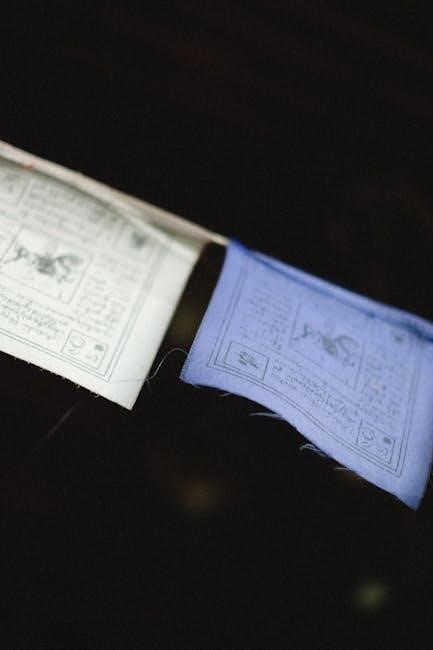
The book details how a spiritual guide can help the dying person understand the nature of mind, release attachments, and prepare for the transition with courage and clarity. This guidance extends to family members, offering comfort and practical advice on how to best support their loved one.
Accessing the PDF version allows for deeper study of these teachings, enabling individuals to familiarize themselves with the practices of Phowa (transference of consciousness) and the recitation of mantras. A skilled guide can personalize these practices, tailoring them to the individual’s needs and beliefs, fostering a peaceful and meaningful end-of-life experience.
Phowa: The Practice of Transference of Consciousness
“The Tibetan Book of Living and Dying,” accessible as a PDF, dedicates significant attention to Phowa – the practice of transference of consciousness at the moment of death. This profound technique, central to Tibetan Buddhist tradition, aims to consciously direct the departing consciousness towards a pure realm, bypassing the ordinary cycle of rebirth.
The book explains that Phowa isn’t merely about achieving a ‘better’ rebirth, but about recognizing the inherent purity of mind and liberating oneself from suffering. Detailed instructions within the PDF outline the necessary visualizations, mantras, and mental focus required for successful practice.
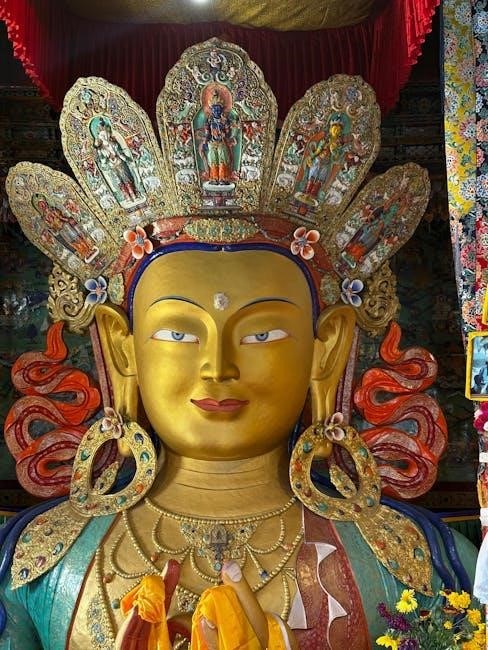
It emphasizes the importance of receiving guidance from a qualified teacher, as Phowa is a powerful practice best undertaken with proper instruction. Preparation through familiarization with the practice before death is crucial, allowing for a more effective transference when the time comes.
Reading the Bardo Thodol (Tibetan Book of the Dead)
“The Tibetan Book of Living and Dying,” often available as a PDF download, explains the significance of the Bardo Thodol – the “Tibetan Book of the Dead.” Sogyal Rinpoche clarifies that this text isn’t intended to be read by the dying person, but to them by a qualified practitioner during the bardo states.
The book details how the Bardo Thodol’s vivid descriptions of the visions encountered in the bardo are meant to guide the deceased, helping them recognize the nature of their experience and avoid being overwhelmed by fear. It’s a roadmap for navigating the intermediate state between death and rebirth.
The PDF version emphasizes the importance of reciting the text with clarity, devotion, and understanding, creating a supportive and empowering environment for the consciousness during its journey. Proper recitation aids recognition of the clear light and avoids negative rebirths.

Understanding the Bardo States in Detail
The Tibetan Book of Living and Dying, often found as a PDF, meticulously details the Chonyid, Sidpa, and Chikhai Bardos, offering guidance for navigating these states.
The Chonyid Bardo: The Bardo of Reality
The Chonyid Bardo, as illuminated in The Tibetan Book of Living and Dying – readily available as a PDF resource – represents the initial stage following the Clear Light of Death. This is a profoundly disorienting experience where the deceased encounters the ‘true nature of reality,’ often perceived as intensely brilliant, terrifying, and utterly unfamiliar.
The book explains that these visions aren’t external phenomena but projections of one’s own mind, reflecting accumulated karma. Recognizing them as such is crucial; failing to do so leads to fear and further entanglement in the cycle of rebirth. The PDF version emphasizes the importance of maintaining presence of mind and non-attachment during this phase.
It’s a period of immense opportunity for liberation, as the mind is temporarily freed from the constraints of the body and habitual patterns. However, without proper preparation and understanding – as detailed within the book’s teachings – it’s easy to become overwhelmed and lost in illusion.
The Sidpa Bardo: The Bardo of Becoming (Detailed Exploration)

The Sidpa Bardo, extensively detailed in The Tibetan Book of Living and Dying – accessible as a PDF – is the most prolonged and complex of the bardos. It’s characterized by a series of visions representing potential rebirths, ranging from idyllic to horrific, reflecting the individual’s karmic imprints.
The PDF version stresses that these aren’t preordained fates, but possibilities. The deceased experiences intense longing and attraction towards pleasant visions, and repulsion from frightening ones, driving the impulse towards rebirth. Recognizing these visions as illusory is paramount to avoiding unwanted realms.
The book explains that the mind seeks a solid form to inhabit, and attachment to these visions fuels that process. Through diligent practice, particularly the teachings on transference of consciousness (Phowa), liberation can still be achieved during this stage. Understanding the nature of these visions is key.
Recognizing and Navigating the Visions of the Bardo
The Tibetan Book of Living and Dying, readily available as a PDF, emphasizes the crucial skill of recognizing visions within the Bardo states as projections of one’s own mind. These aren’t external realities, but manifestations of karmic imprints and mental habits.

The PDF details how clinging to pleasant visions prolongs suffering, while fear of terrifying ones accelerates unfavorable rebirths. The key is non-attachment – realizing their illusory nature. The book provides guidance on cultivating a mind free from reactivity.
Practices like meditation and recognizing the ‘clear light’ before the visions arise are vital preparation. During the visions, maintaining awareness and remembering the teachings are essential for liberation. The PDF stresses that even amidst chaos, recognizing the mind’s own creation is transformative.

Finding and Accessing the PDF Version
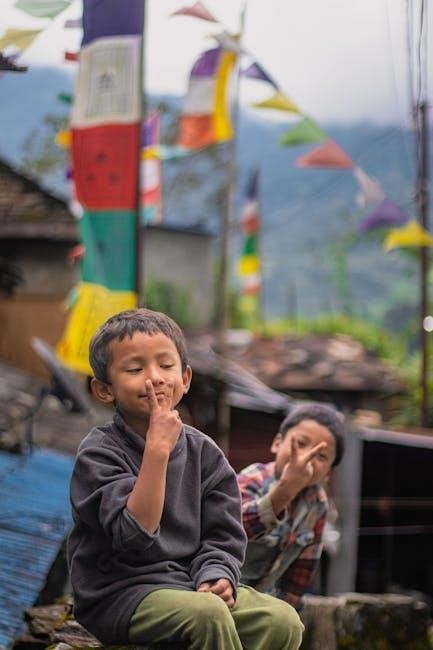
The Tibetan Book of Living and Dying PDF is accessible through the Internet Archive, offering free downloads, but caution is advised regarding unofficial sources.
Legitimate Sources for the “Tibetan Book of Living and Dying” PDF
Locating a legitimate PDF version of Sogyal Rinpoche’s The Tibetan Book of Living and Dying requires careful consideration to ensure both access and ethical usage. The Internet Archive stands out as a primary source, offering downloadable versions, though availability may vary due to copyright restrictions and licensing agreements.
Users can find listings on the Internet Archive with different identifiers (urn:oclc:record:1392033845, urn:lcp:tibetanbookofliv0000sogy_r1v8) indicating various formats and access options. However, it’s crucial to verify the source’s legitimacy and adhere to any usage terms specified.
While direct official PDF downloads from the author or publisher may be limited, exploring reputable online bookstores like Amazon (Kindle edition) can provide access to the book’s content, potentially offering a pathway to converting it to a PDF format, respecting copyright laws. Always prioritize legal and ethical avenues when seeking digital copies of copyrighted material;
Potential Risks of Downloading from Unofficial Sources
Downloading the PDF of The Tibetan Book of Living and Dying from unofficial sources carries significant risks. These websites often host malware, viruses, and other malicious software disguised as legitimate files, potentially compromising your device and personal data. Such downloads frequently violate copyright laws, exposing you to legal repercussions.
Furthermore, unofficial PDFs may contain altered content, inaccuracies, or incomplete versions of the book, diminishing the value of the teachings and potentially misrepresenting Sogyal Rinpoche’s original work. The quality of these files is often poor, with scanning errors and formatting issues hindering readability.
Supporting unauthorized distribution undermines the author’s and publisher’s rights, impacting future literary endeavors. Prioritizing legitimate sources, even if requiring a purchase, ensures a safe, accurate, and ethically sound access to this important spiritual text.
Copyright Considerations and Ethical Use
The Tibetan Book of Living and Dying is protected by international copyright laws. Downloading or distributing unauthorized PDF copies constitutes copyright infringement, a legal violation with potential consequences. Ethical use necessitates respecting the author, Sogyal Rinpoche, and the publisher’s rights to their intellectual property.
Purchasing the book, whether in physical or digital format from authorized retailers, directly supports the continuation of these valuable teachings and ensures the author receives due compensation. Sharing purchased digital copies is generally prohibited by licensing agreements.
Respectful engagement with the text involves acknowledging its source and refraining from unauthorized reproduction or dissemination. Promoting legitimate access channels safeguards the integrity of the work and upholds ethical principles within the literary community.
The Book’s Impact and Reception
The Tibetan Book of Living and Dying achieved international bestseller status, influencing many, despite controversies surrounding its author; the PDF version broadened access.
International Bestseller Status and Influence
The Tibetan Book of Living and Dying rapidly ascended to international bestseller status upon its initial release, and continues to resonate with readers globally. This widespread acclaim stems from its accessible presentation of complex Tibetan Buddhist concepts, offering practical guidance on navigating life’s challenges and preparing for death.
The book’s influence extends beyond individual spiritual seekers, impacting fields like palliative care and grief counseling. Professionals increasingly utilize its insights to provide more compassionate and holistic support to those facing end-of-life issues.
The availability of the PDF version has significantly broadened the book’s reach, allowing access to its teachings for individuals who may not have been able to purchase a physical copy. This digital accessibility has fostered a wider understanding of Tibetan Buddhist philosophy and practices, contributing to its enduring legacy.
Furthermore, the book has sparked numerous discussions and workshops, fostering a global community dedicated to exploring the themes of life, death, and consciousness.
Criticisms and Controversies Surrounding Sogyal Rinpoche

Despite the widespread acclaim of The Tibetan Book of Living and Dying, Sogyal Rinpoche faced significant criticisms and controversies in later years. Allegations of sexual misconduct and abusive behavior surfaced, leading to investigations and a retraction of some endorsements.
These accusations prompted a period of intense scrutiny and debate within the Buddhist community and beyond, raising questions about power dynamics and ethical conduct within spiritual lineages. The controversies impacted the book’s reception for some readers, leading to a re-evaluation of its author’s teachings.
The continued availability of the PDF version online has, for some, complicated the issue, as it allows access to the book’s content without necessarily endorsing the author’s actions. Discussions surrounding the separation of the work from the artist gained prominence.
Ultimately, these controversies highlight the importance of critical engagement with spiritual teachers and their teachings, even within highly respected traditions.
The Book’s Relevance in Modern Society
The Tibetan Book of Living and Dying maintains remarkable relevance in contemporary society, offering solace and guidance amidst widespread anxieties about mortality and meaning. Its teachings resonate with individuals seeking alternatives to conventional Western approaches to death and grief.
The accessibility of the book, particularly through readily available PDF versions online, has broadened its reach, allowing a wider audience to explore Tibetan Buddhist perspectives on life’s ultimate questions. This accessibility is crucial in a world increasingly disconnected from traditional spiritual frameworks.
The book’s emphasis on compassion, mindfulness, and preparing for death encourages a more conscious and intentional way of living, addressing the modern epidemic of stress and existential angst. It provides practical tools for navigating loss and finding peace.
Its enduring popularity demonstrates a deep human need for wisdom regarding life’s transitions and the search for inner peace.